Homeowners often use the terms repair, replacement, and upgrade interchangeably. You’ve probably heard something like: “Can you just repair it?” when what they really need is a complete system replacement, or even an upgrade that changes the scope entirely.
That confusion can slow projects down, lead to mismatched expectations, or cause frustration later in the job. In short, repairs fix problems, maintenance prevents them, and capital improvements or upgrades add long-term value to a home. By taking a few minutes to explain these differences, you can avoid misunderstandings from the start and help homeowners make more informed decisions about their homes and their budgets.
Repairs restore a system or component to proper working order. They’re meant to correct a specific issue and bring the system back to how it should function. Repairs may also improve performance if the issue was causing inefficiency, but the goal is restoration, not redesign.
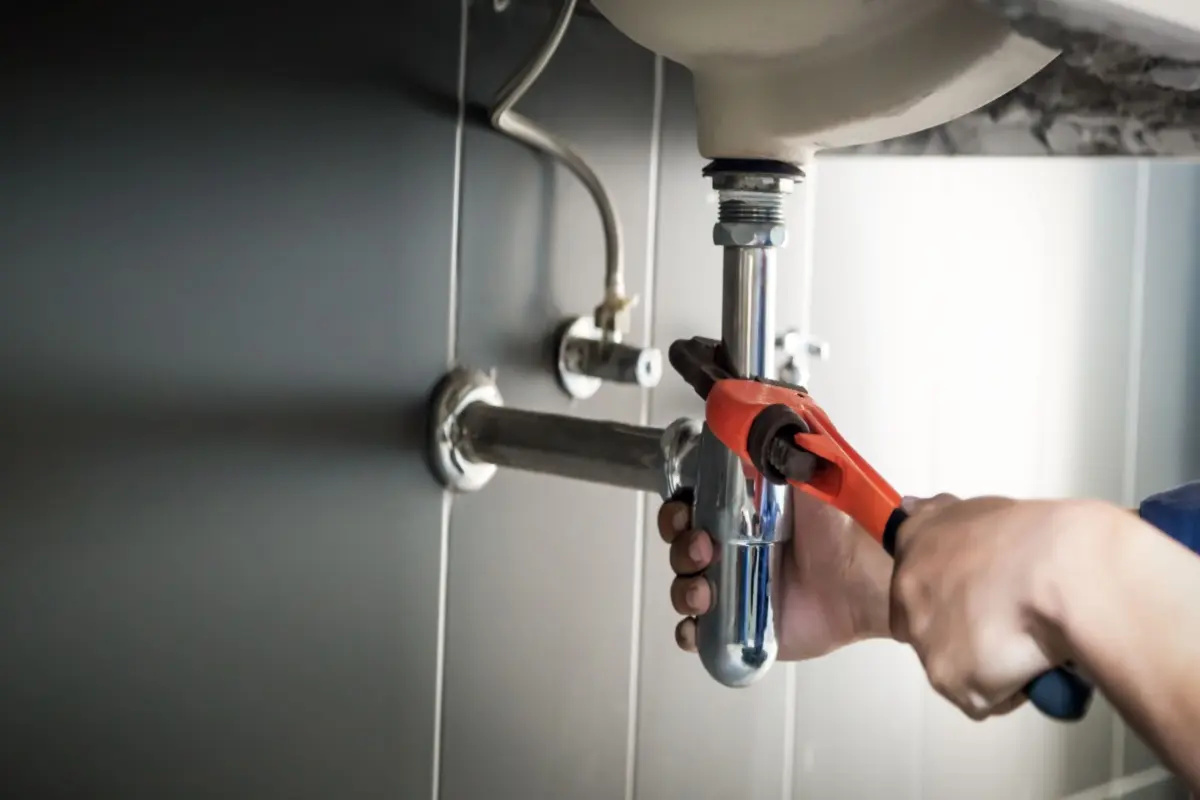
Here are just a few examples:
They’re often targeted fixes meant to restore normal function.
Note: Routine servicing and cleaning of HVAC equipment is considered maintenance, not a repair
Maintenance refers to preventative, ongoing work that keeps a system in good condition and helps avoid future breakdowns.
Examples include:
Maintenance prevents problems; repairs correct problems that already exist.
A replacement occurs when repairing something is no longer safe, practical, or cost-effective, or when codes or manufacturer requirements require a full swap.
Examples include:
A replacement primarily aims to restore function, though newer models often bring side benefits in efficiency, safety, or appearance.
Upgrades go beyond a fix. They improve the home in meaningful ways, whether through better performance, new functionality, added value, or a longer lifespan.
Examples include:
Many upgrades may be classified as capital improvements for tax or accounting purposes, and some large replacements fall into this category as well, depending on the scope.
Most homeowners aren’t thinking in terms of “capital improvements vs. repairs and maintenance.” They’re simply trying to decide what makes sense for their home and their budget.
Contractors can help guide them by asking these quick questions:
Using real examples during your walkthrough can clear things up quickly.
Here’s a simple flow contractors can follow:
Tell the homeowner what you’re looking for:
Break the proposal into three sections when it’s safe and code-compliant to do so:
Note: Some scopes may blend categories, such as a replacement that also improves efficiency.
Homeowners appreciate seeing all three laid out clearly.
If you discover deeper issues, explain the shift in plain language:
“This started as a repair, but because of what we found behind the wall, it falls more in the replacement category.”
Give them:
These labels help homeowners stay organized, though final tax treatment is up to their accountant.
When homeowners see how each example fits into a category, the lightbulb usually goes off.
Helping homeowners understand repairs, replacements, and upgrades doesn’t need to be a big lecture. Even a brief explanation during the first walkthrough can set the right expectations and make the project smoother for both parties. Understanding that capital improvements create long-term value, whereas repairs and maintenance just fix or preserve existing systems, helps homeowners make smarter decisions.
When homeowners see the difference, they feel more confident in their decisions, and contractors can deliver a better experience, a more precise scope, and stronger trust.